
Domestic
Understanding flexible demand
Flexibility or Flexible demand is the ability to adjust electricity usage in response to supply or demand. It enables customers to control when they use or store electricity, depending on local renewable generation and network conditions. By shifting demand to times of high local renewable generation, national energy costs and carbon footprint can be reduced. Flexible demand products allow businesses and domestic customers to benefit from reduced costs and carbon footprint. Our flexibility products and services provide customers with the incentives and information needed to do this effectively.
Learn how to save electricity
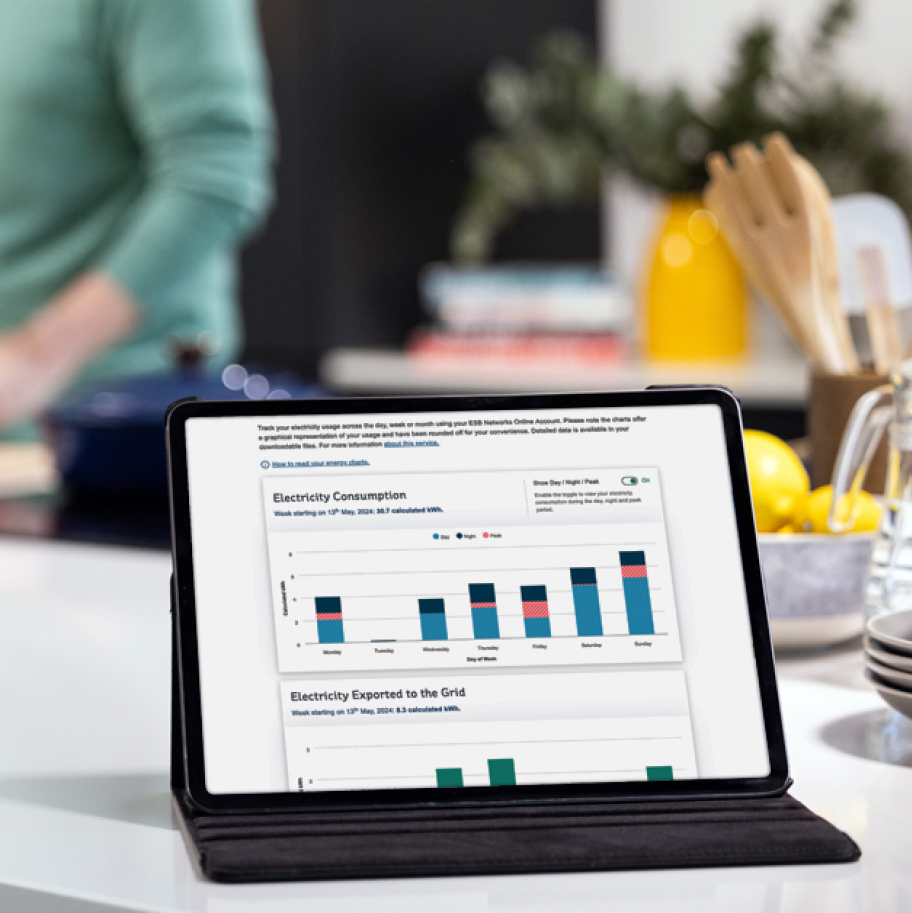
Smart meters
With a smart meter, you can now view details of your electricity usage through your ESB Networks online account. This information can help you manage and understand your electricity usage throughout the day.
Learn more
Is This a Good Time?
Get rewarded for taking part in 'energy events' when prompted to do so. By taking part in these events, you will not only be contributing to save energy but also earning rewards for taking action.
Know the best times to use electricity

By looking at the weather forecast, we can identify times when it may be better to use your electricity appliances. Get a weekly renewable energy forecast for your country and understand when is a good time to use electricity.
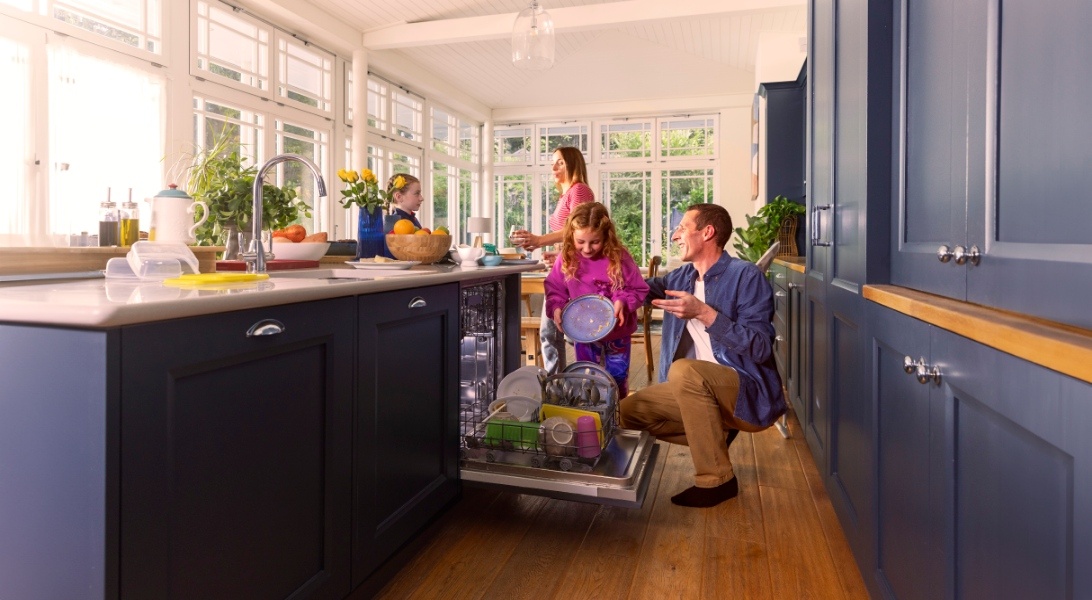
Explore our interactive questionnaire, to help you uncover how your everyday energy choices shape your home’s efficiency and environmental footprint.
Get personalised insights into your energy habits, explore practical ways to improve, and see how small changes can lead to big results.
Customer resources
Find tips, tools, videos and other resources to help you manage your energy use.
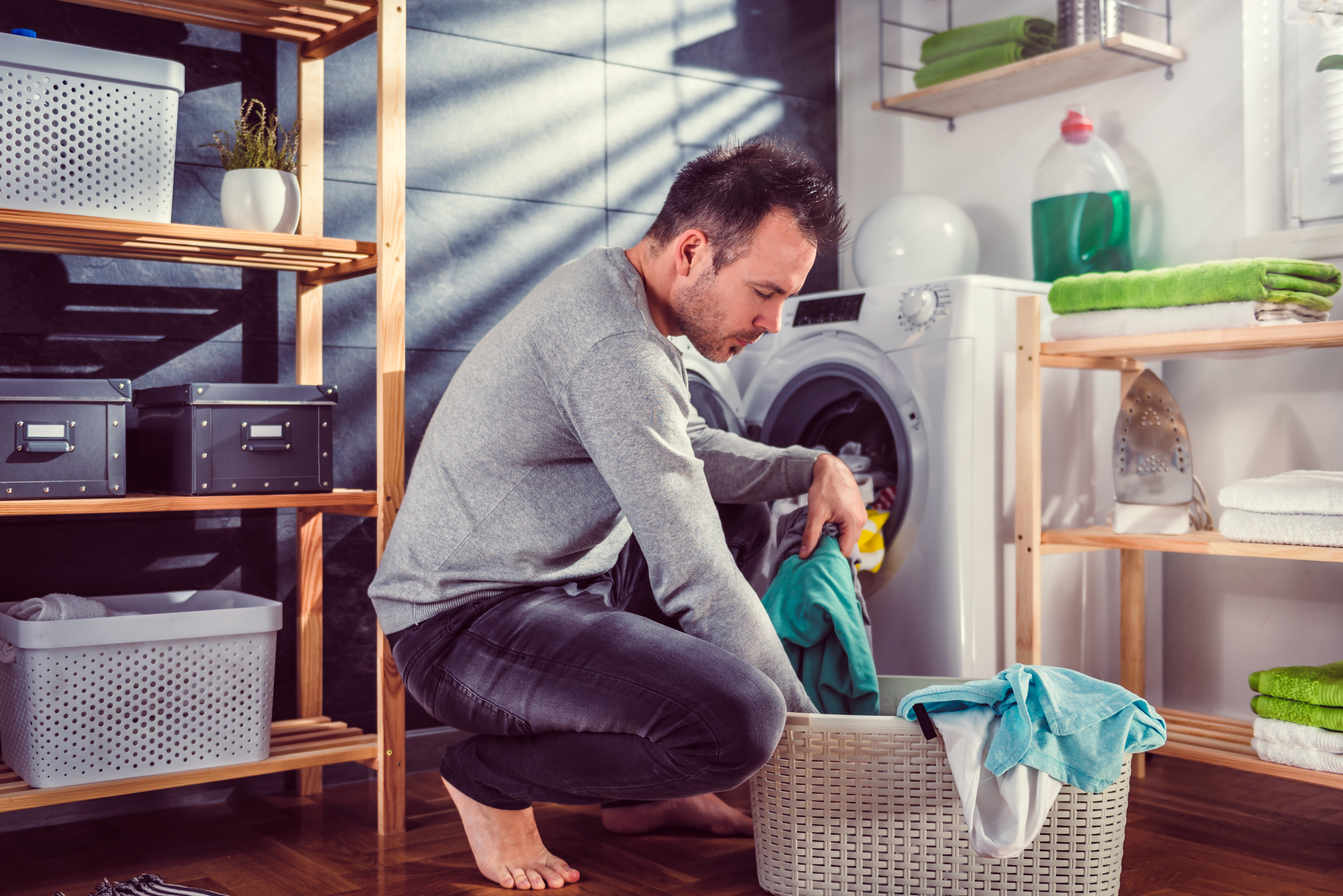
Save energy and clean clothes effectively: Switch to 30-degree wash cycles!
Feel like catching up on your laundry today? Did you know that most detergents and washing machines clean clothes just as well at 30 degrees when compared to 40 degrees? By changing your washing cycles to 30 degrees or cooler you could use up to 40% less electricity per cycle!