For emergencies:
Call 1800 372 999
Context
Ireland's electricity network was originally designed for a different era, when homes were heated by fire and oil, transport required combustion, and peak demand could be reliably predicted between a late afternoon return home and 7pm.
Today, with growing numbers of electric vehicles, homes, heat pumps, remote workers and data centres, demand is changing faster than ever. As Ireland moves toward Net Zero, we need new approaches to generate and deliver the clean electricity we need, without building costly infrastructure that would take years to bring online.

Challenge
Traditional energy networks deliver power in one direction: from large generators that deliver fixed output to the grid, then on to homes, farms and businesses. This predictable approach offers security, but it can't handle today's renewable reality.
For large renewable projects, the fixed approach creates major obstacles. Safety regulations typically limit projects to 19 MW, meaning Ireland loses potential clean energy capacity.
A project like that would take years to build
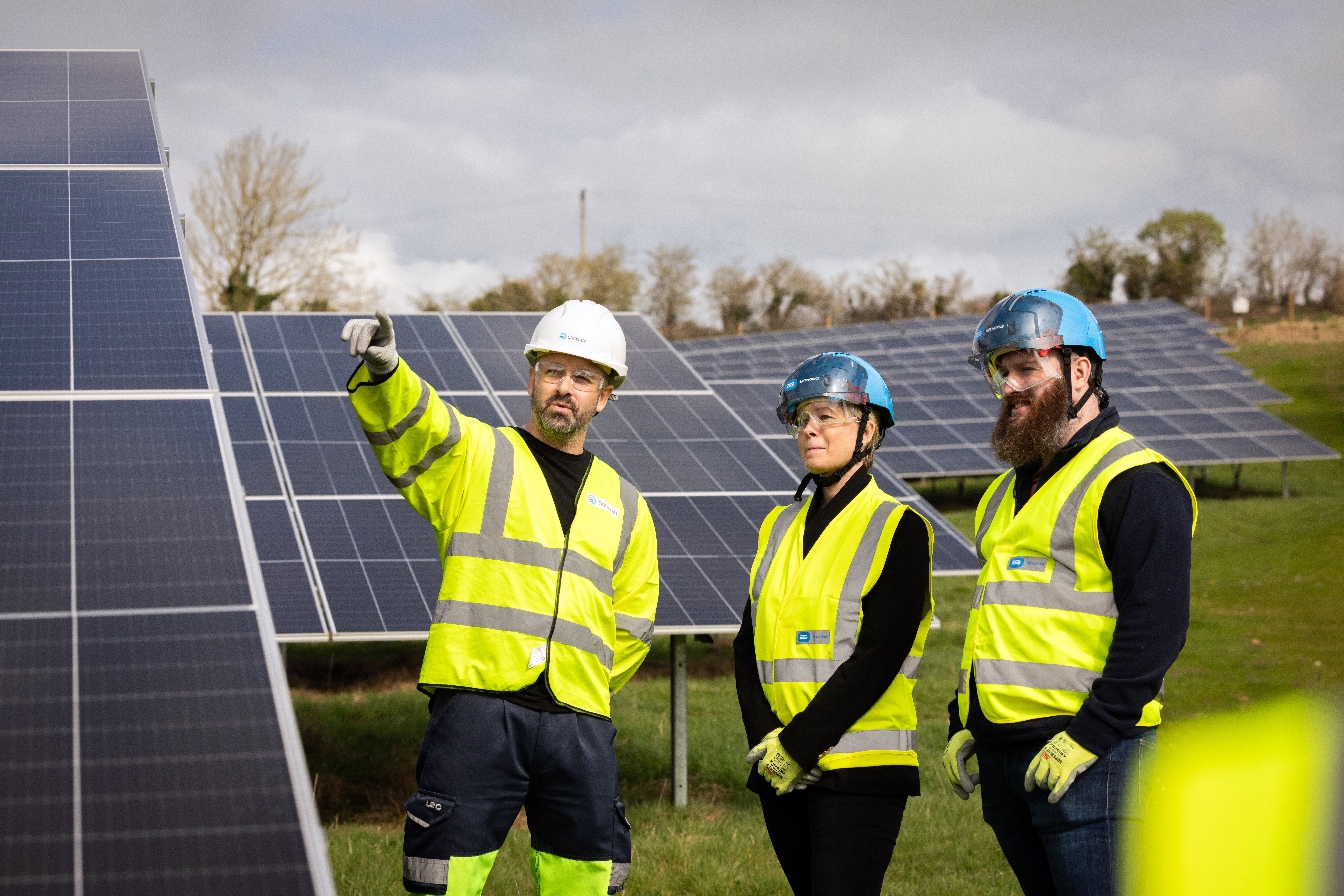
"Historically, if a large renewable generator wanted to develop a project of this scale, they would have to do deep construction work, or reduce the amount of energy the generator can contribute to the network. A project like that would take years to build and cost significant money, making it onerous if not economically non-viable."
Paddy Mulvey, ESB Networks Flexibility Operations Manager
Solution
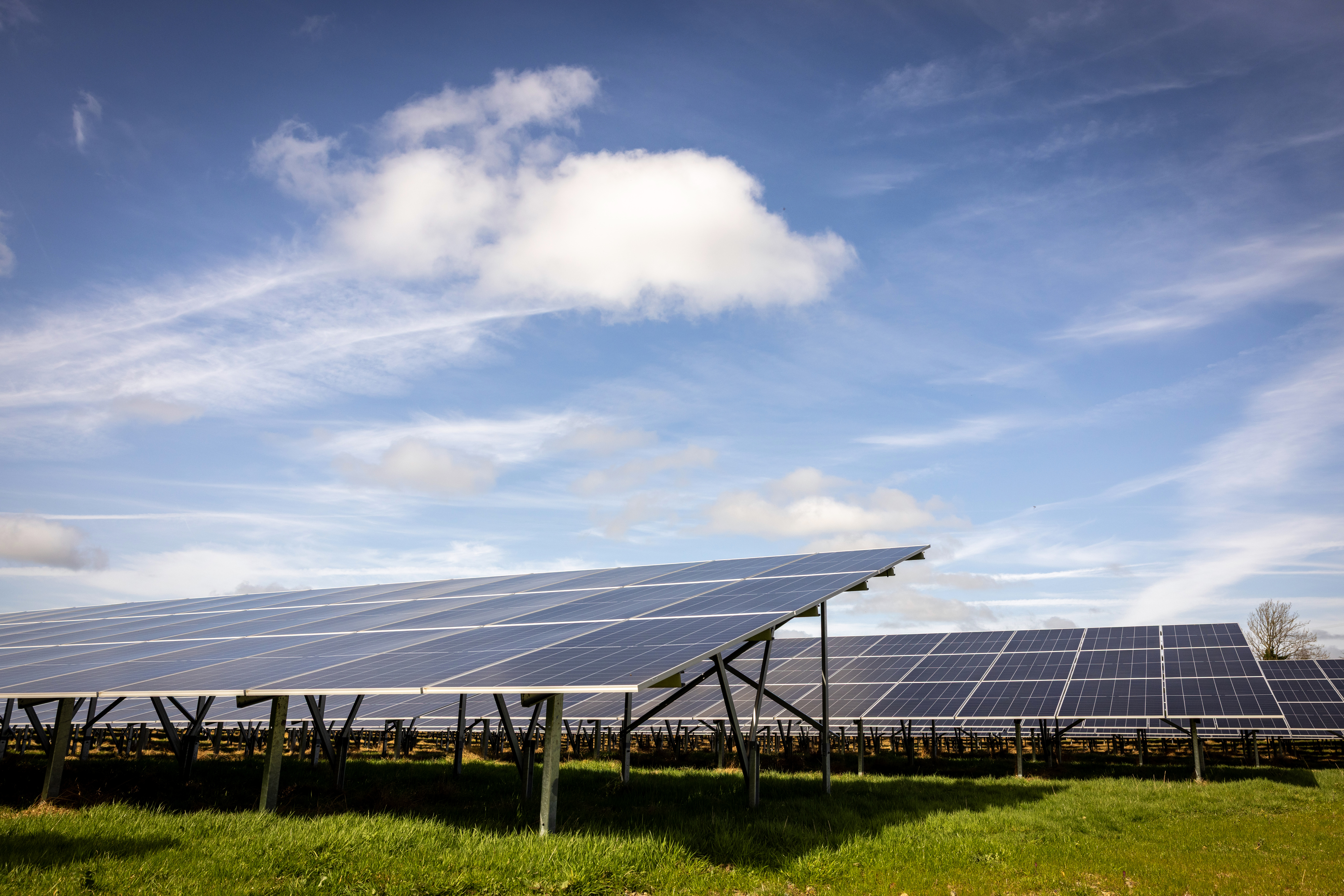
ESB Networks supported Statkraft in trialing the flexible connection model. This enabled the development of a 21 MW solar farm in Tipperary with faster and more cost-effective grid access, rather than delivering 19 MW of firm capacity..
Flexibility allows the grid to adjust supply and demand at key moments. This can involve asking customers to reduce usage during high demand periods. It can also involve asking large generators to adjust their electricity exports to balance grid load and protect the network, which is how the Tipperary wind farm works.
The innovative solution enables Statkraft to export 19 MW of 'firm capacity' plus an additional 2 MW when the grid safely allows. By exception, the generator will be asked to export 19 MW to the grid, but during normal operating conditions the generator can export its firm and flexible capacity of 21 MW. This negates the need for deep construction works, reducing costs and overload risks.
Since the project went live, the flexible model has demonstrated how flexibility will transform Ireland's energy landscape.
Impact
- Additional capacity: An extra 463 MWhr (megawatt-hours) of clean energy capacity has been delivered—enough to power approximately 79 Irish homes for a full year.
- Carbon reduction: The additional capacity represents an offset of approximately 75 tonnes of CO2 compared to Ireland's total electricity emissions.
- Faster deployment: The project avoided years of deep construction work, bringing clean energy online much faster.
- Economic viability: Large-scale renewable projects become more attractive investments without expensive infrastructure requirements.
- Accelerated transition: Clean energy projects can connect to the grid faster, speeding Ireland's journey to Net Zero.
- Scalable approach: The flexible model can be applied to future renewable projects across Ireland, unlocking more clean energy capacity.
Ready to explore flexibility solutions for your renewable energy project?
This partnership proves that innovation and collaboration can overcome traditional infrastructure constraints, creating a practical, powerful pathway for Ireland's clean electric future.