
Is Your Home Ready for Low Carbon Technologies?
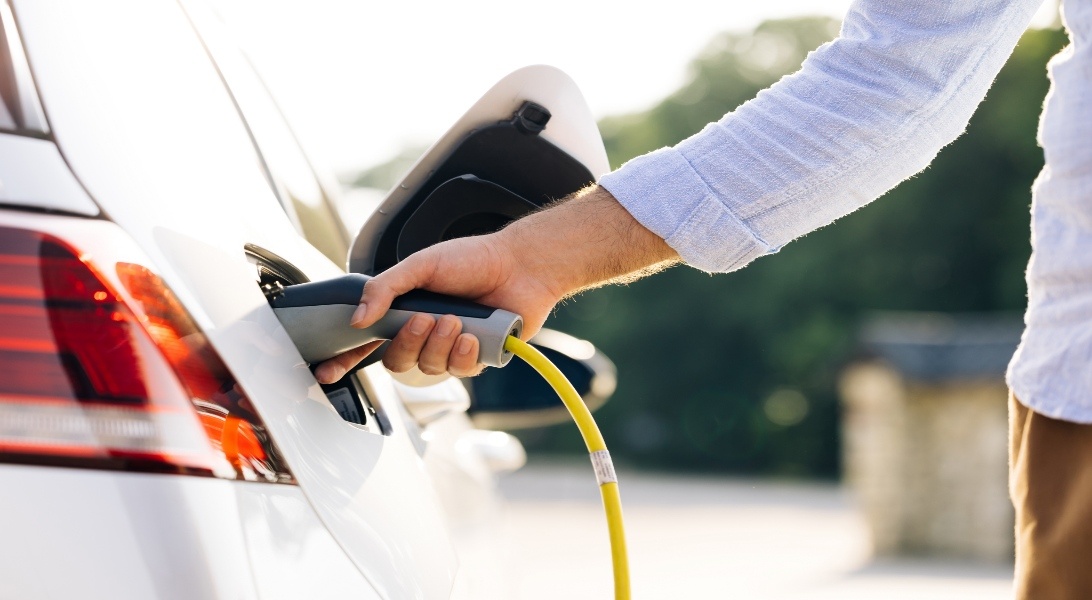
Making the Switch to a Cleaner Energy Future
More and more customers are choosing low carbon technologies such as electric vehicles (EVs), heat pumps, solar panels and battery storage. These technologies can help reduce carbon emissions, improve energy efficiency and give customers greater control over how they use electricity.
Most homes can successfully accommodate these technologies. However, because every property is different, it is important to understand that some homes may require electrical upgrades or network assessments before installation.
Taking a few simple steps early in the process can help ensure your installation is safe, efficient and future-ready and that you make the right investment.
Why does this matter?
Ireland's electricity network has evolved over many decades. While the network is continually being upgraded to support increasing electrification, many homes were originally designed at a time when electricity demand was lower and technologies such as EV chargers, heat pumps and solar generation did not exist.
For most customers, installing a low carbon technology is straightforward. In some cases, however, additional checks may be needed to confirm that:
- Your home's electrical installation can safely support the new equipment.
- Your electricity connection has sufficient capacity.
- Any required notifications or approvals are completed before installation.
This helps ensure the safe and reliable operation of both your own installation and the wider electricity network
What should I do before installing?
1. Choose a Qualified Installer
Your installer is your first point of contact.
A suitably qualified installer will:
- Assess your home's suitability.
- Review your electrical installation.
- Identify any rework that may be required.
- Advise if ESB Networks needs to be contacted.
2. Consider Your Future Plans
If you are planning to install one low carbon technology today, it may be worth considering whether you intend to add others in the future.
For example:
- An EV charger today.
- A heat pump in a few years.
- Solar panels or battery storage at a later stage.
Planning ahead can help avoid unnecessary rework and may reduce future costs.
3. Check Your Existing Electrical Installation
Some homes may require electrical work before new technologies can be connected safely.
Your installer may assess:
- The condition of the consumer unit (fuse board).
- Available circuit capacity.
- Earthing and bonding arrangements.
- Existing wiring.
- Space for additional circuits and protection devices.
4. Shared Electricity Connections (Looped Services)
Some properties have an older electricity connection arrangement, known as a looped service, which may need to be modified before technologies such as EV chargers or heat pumps can be installed.
Your installer can advise whether further assessment by ESB Networks is required.
For more information, see Cut Outs for Electrification of Domestic Heat & Transport.
Will I Need a Network Upgrade?
Most installations do not require major changes to the electricity network.
However, some properties may need:
- Additional network assessment.
- An upgrade to their connection capacity.
- Changes to existing service arrangements.
- Changes to existing service arrangements (for example, a looped service).
This will depend on factors such as:
- The type of technology being installed.
- The size of the installation.
- Existing electricity demand.
- The characteristics of the local network.
If any network works are required, ESB Networks will work with the customer and installer to explain the available options, process and timelines.
For more information on electrical service cut-outs and considerations for electrifying your home with technologies such as EV chargers and heat pumps, see ESB Networks' guide: Cut-Outs for Electrification of Domestic Heat and Transport.
Customer Checklist
Before committing to a purchase or home retrofit (including heat pump), we recommend that you:
- Engage with a Registered Electrical Contractor (REC). Visit Safe Electric to find a registered contractor and learn more about electrical safety.
- Ask whether your home's electrical installation is suitable.
- Consider and discuss with your installer any future electrification plans.
- Confirm whether ESB Networks needs to be notified and whether any electricity network works may be required to support the installation.
- Ask your installer to explain any additional electrical, connection or network-related work that may be required, including who will carry out the work and any likely timelines. In some cases, ESB Networks may need to complete certain works, which are subject to separate assessment and scheduling.
- Keep copies of all electrical certificates and commissioning documentation provided by your installer.