For emergencies:
Call 1800 372 999
The bringing of electricity to rural Ireland
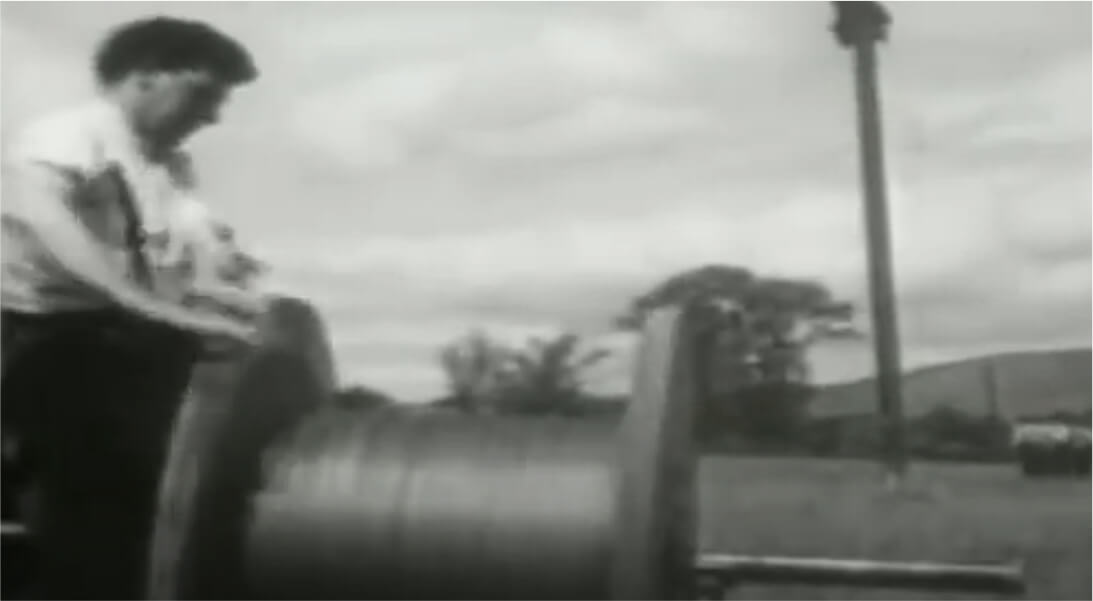
Rural electrification
Since the first national electricity network in 1927 and rural electrification, which took place between 1947 and 1956, electricity infrastructure has been key in building a modern Ireland.
Rural electrification

Since the first national electricity network in 1927 and rural electrification, which took place between 1947 and 1956, electricity infrastructure has been key in building a modern Ireland.
The upgrading of our transmission system
- To support renewable energy, we're upgrading our transmission system and adding new IT and communication systems.
- Ireland committed to getting 80% of its electricity from renewable sources by 2030, which means our electricity system is changing quickly. We're upgrading the transmission system and building new lines to meet this challenge.
Distribution System Operator (DSO) license
Distribution System Operator License (DSO) (PDF | 1 MB)
Transmission system
The nationwide electricity transmission system carries large amounts of electricity at high voltages (400kV, 220kV, and 110kV) from power stations to main towns and cities. From these points, it connects with electricity systems in Northern Ireland and Britain.
| Description | Quantity |
|---|---|
| 400kV Overhead Lines | 438 km |
| 400kV Stations | 5 |
| 400 kV Underground Cables | 3 km |
| 220kV Stations | 26 |
| 220kV + 275 kV Overhead Lines | 1817 km |
| 110kV Stations | 45 |
| 220kV + 275kV Underground Cables | 211 km |
| 400/20kV Transformers | 8 |
| 110kV Overhead Lines | 4384 km |
| 275/220kV Transformers | 3 |
| 110kV Underground Cables | 397 km |
| 110kV Submarine Cables | 16 km |
| 220/110kV Transformers | 59 |
Eirgrid
- ESB Networks builds and runs the transmission system.
- Eirgrid manages the power flows, including electricity generated by each main power plant.
- Eirgrid also makes sure that the transmission system can meet the growing need for electricity in the future and helps bring more electricity from renewable sources, such as wind farms.
Distribution system
- The distribution system delivers electricity from the transmission system to over 2.5 million customers in Ireland.
- It operates at 110kV in the Dublin area, and at 38kV, 20kV, 10kV, and low voltage (LV) across the country.
- Because Ireland has a lot of rural areas, the network is much longer per person than in other European countries.
- There are also six times more overhead lines than underground cables.
| Quantity | Description |
|---|---|
| 155,321 km | Overhead Line |
| 28,881 km | Underground Cable |
| 255,869 | Pole Mounted MV/LV Transformers |
| 24,890 | Ground MV/LV Substations |
| 139 | 110kV/38V or 110MV substations |
| 417 | 38kV/MV Substations |
| 2.5 million | Meters |